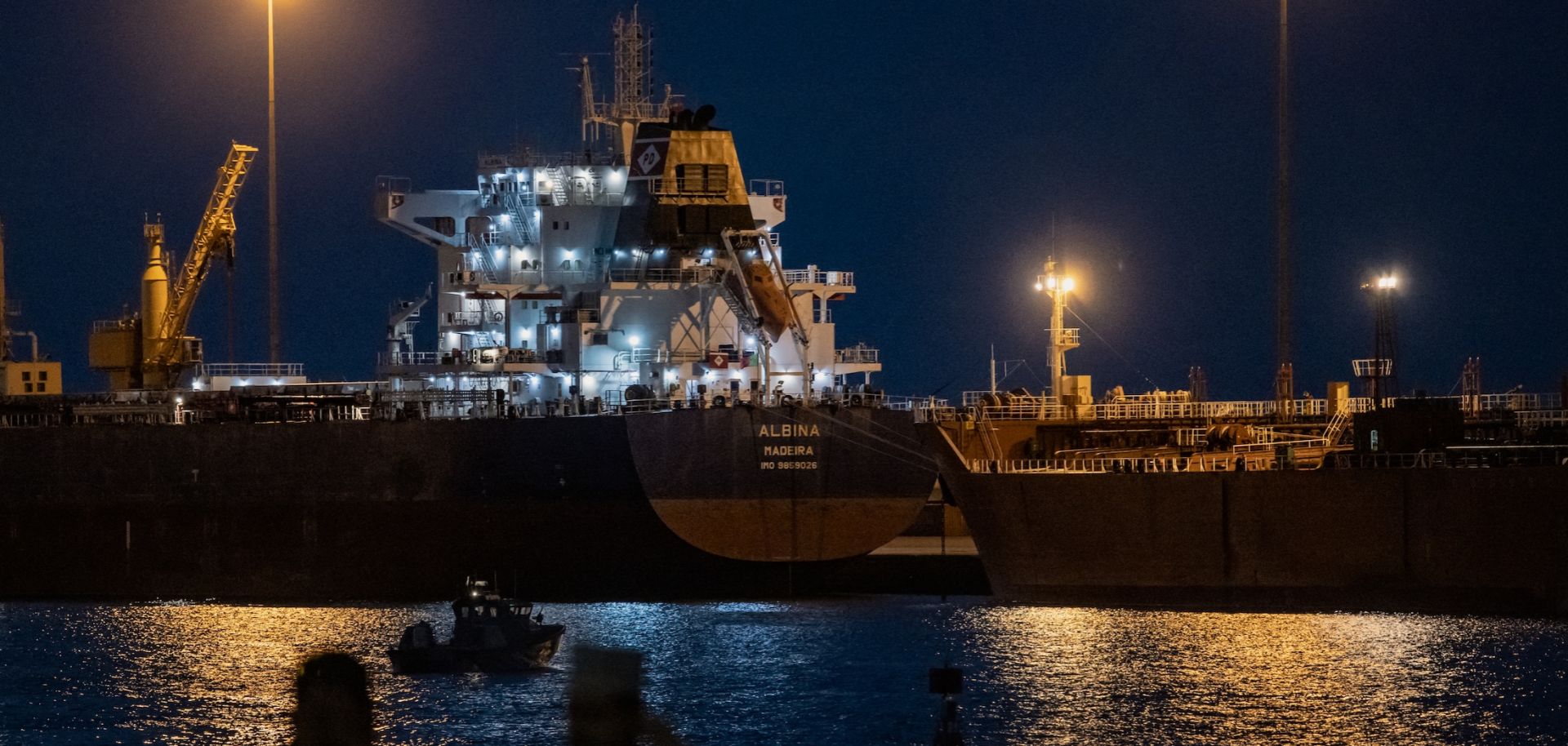
The unilateral U.S. ceasefire extension with Iran will likely prolong both sides' focus on economic pressure to secure concessions ahead of a second round of talks, but this phase of unstable diplomacy and pressure could easily give way to another round of military escalation. On April 21, U.S. President Donald Trump announced that he would indefinitely extend the unilateral U.S. ceasefire with Iran, but noted that the United States would maintain its blockade in the Strait of Hormuz after a planned second round of U.S.-Iran talks in Pakistan failed to take place during the week of April 20. According to Trump, Iran's leadership is too divided to make a deal, and he wanted to give Tehran more time, as the initial two-week ceasefire was due to expire on April 21-22. In the days before Trump's announcement, reports emerged of intense preparations for another round of talks, but it became clear...