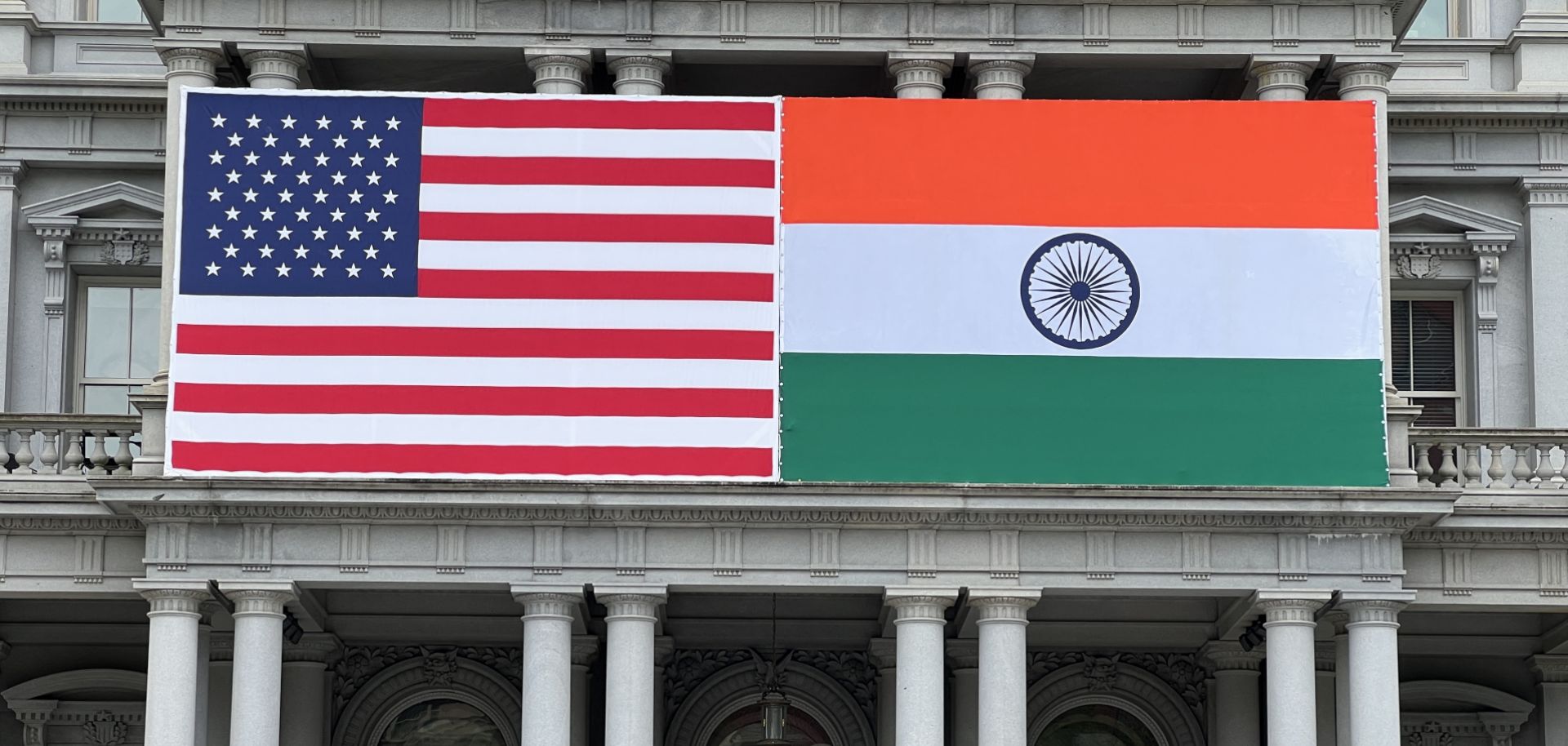
India's new ban on imports made with forced labor will strengthen its position in trade talks with the United States by aligning its regulations with U.S. requirements, though unresolved concerns over manufacturing overcapacity will sustain the risk of broader Section 301 tariffs. On July 14, India's Ministry of Commerce and the Directorate General of Foreign Trade (DGFT) announced that they amended the country's Foreign Trade Policy (FTP), a government policy framework that outlines India's import and export regulations, to ban imports of goods produced using forced labor. The change aligns India's trade rules more closely with international labor standards and helps address concerns raised by the United States in an ongoing trade investigation. The amendment follows a June 2 announcement by the U.S. Trade Representative (USTR) that India, among other countries, lacked a legal framework to prevent imports made with forced labor, prompting a proposed 12.5% tariff under Section 301...