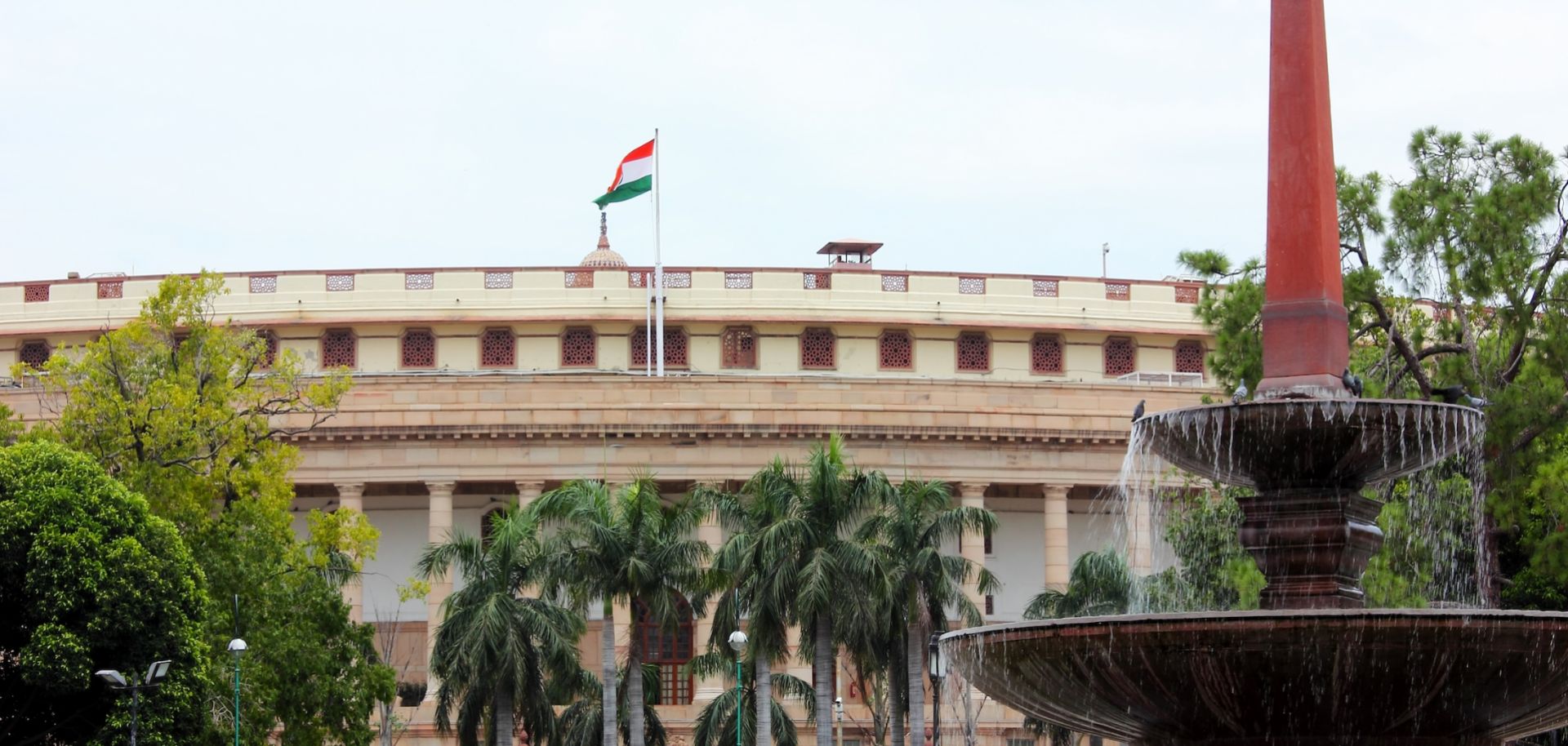
The Indian government's failed parliamentary reform will force the ruling Bharatiya Janata Party (BJP) to choose between a contentious, population-based expansion of Parliament that risks a north-south regional crisis or a simplified, standalone quota for women that would trigger intra-party competition and incumbent displacement before the 2029 general elections. On April 16, during a special session in Parliament, the BJP introduced a constitutional amendment in the lower house, the Lok Sabha, to redraw electoral constituencies, expand the lower house size from 543 to 850 members and reserve one-third of the seats for women. However, on April 17, the bill failed to secure the required two-thirds majority in the Lok Sabha, as opposition parties -- while supporting women's quotas -- opposed linking the measure to a large-scale redrawing of constituency boundaries, arguing it could shift political representation and give the BJP an electoral advantage. This defeat marked the first time in...