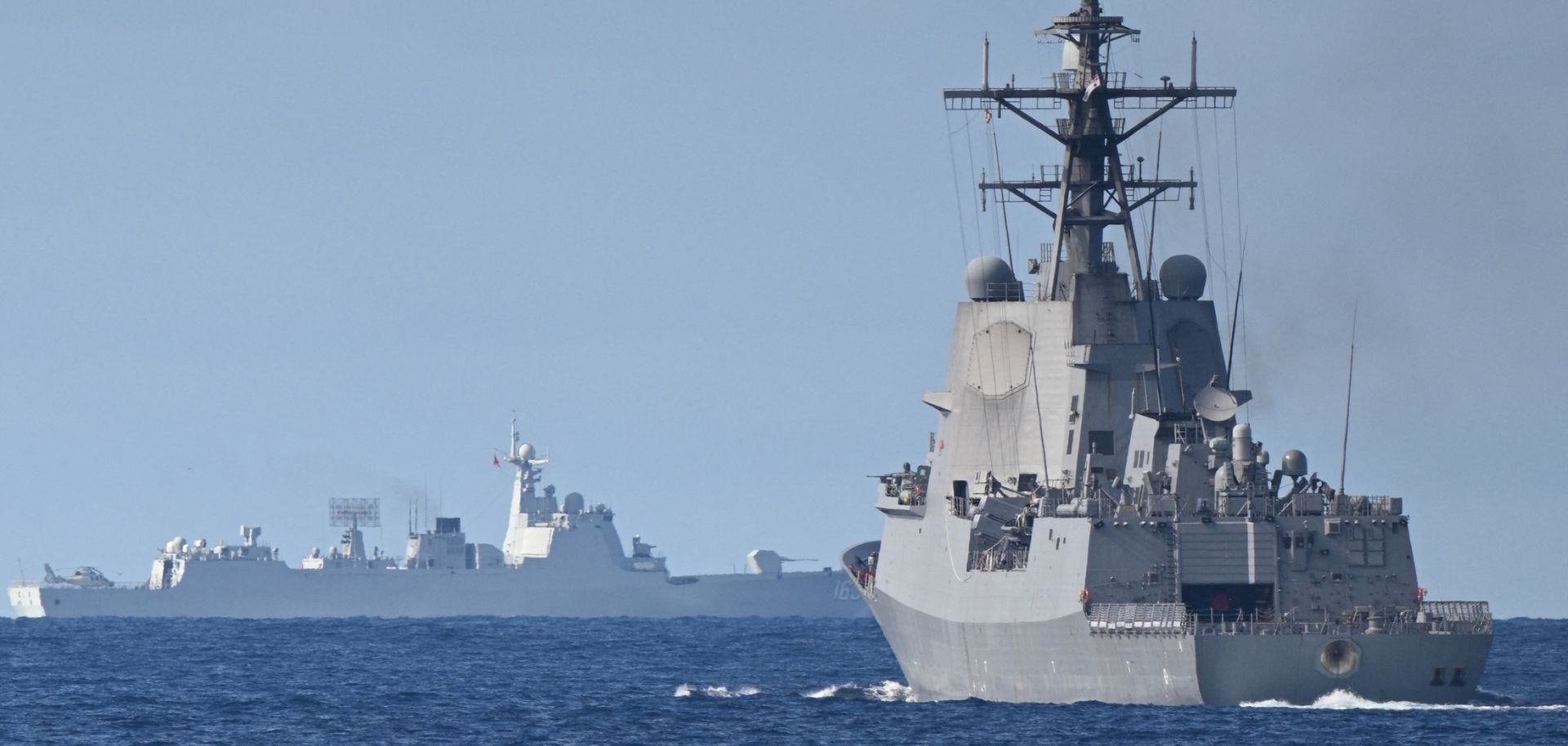
The South China Sea has entered a phase of managed tension, where confrontations persist but occur less frequently and with lower intensity than in recent years, as China, the Philippines and Vietnam rebalance coercive activity and diplomatic engagement, lowering short-term escalation risks but also sustaining a volatile environment over the longer term. Recent weeks in the South China Sea have seen renewed efforts to manage tensions through diplomatic engagement, limited economic cooperation and continued routine presence operations. On March 28, the Philippines resumed its Bilateral Consultation Mechanism with China on potential oil and gas cooperation for the first time in four years, with President Ferdinand Marcos Jr. calling for a "reset" in bilateral relations. China has also taken steps to ease economic frictions, assuring the Philippines it would not restrict fertilizer exports and delivering fuel cargoes across Southeast Asia, including shipments to the Philippines and Vietnam in late March. At...