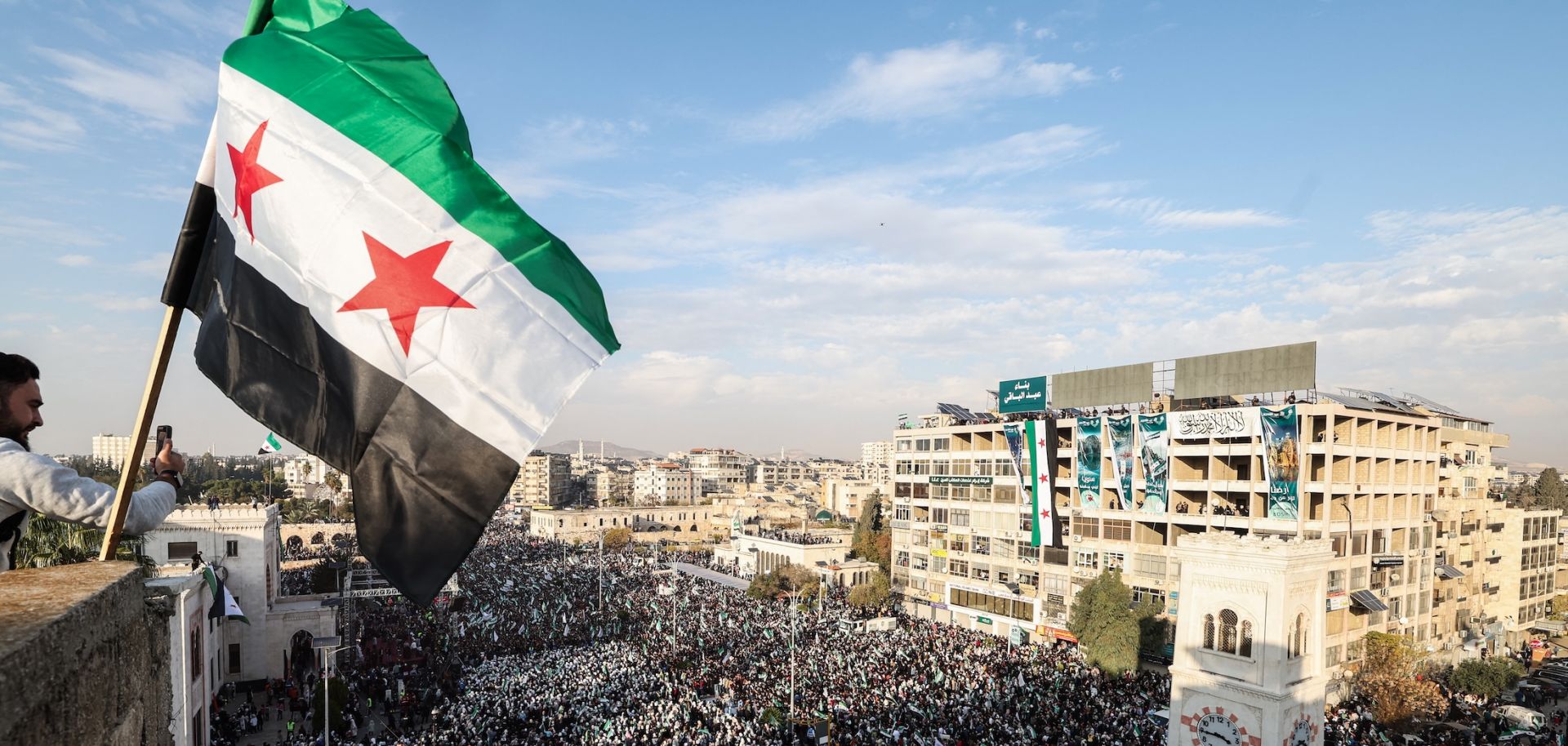
More than a year after the fall of former President Bashar al Assad, the new Syria is still firming up its state identity -- and its place in the wider region. But the broader contours are now clear. There will be no Rojava, the decade-plus experiment in Kurdish self-rule that emerged in 2012, now that Syrian government forces, backed by Turkey and tolerated by the United States, have rolled over the Kurdish-led Syrian Democratic Forces (SDF). However, Syria will also not return to Assad-era repression, as the new government has offered Kurds significant language and cultural rights. Navigating domestic and foreign pressures, Syria is emerging as a Turkish-aligned, authoritarian state. For stability and reconstruction, it will maintain formal neutrality in the region's many conflicts, but Syria, struggling to escape Turkey's shadow and the Gulf Arabs' interests, will still inevitably be forced to endure some of those wars anyway....