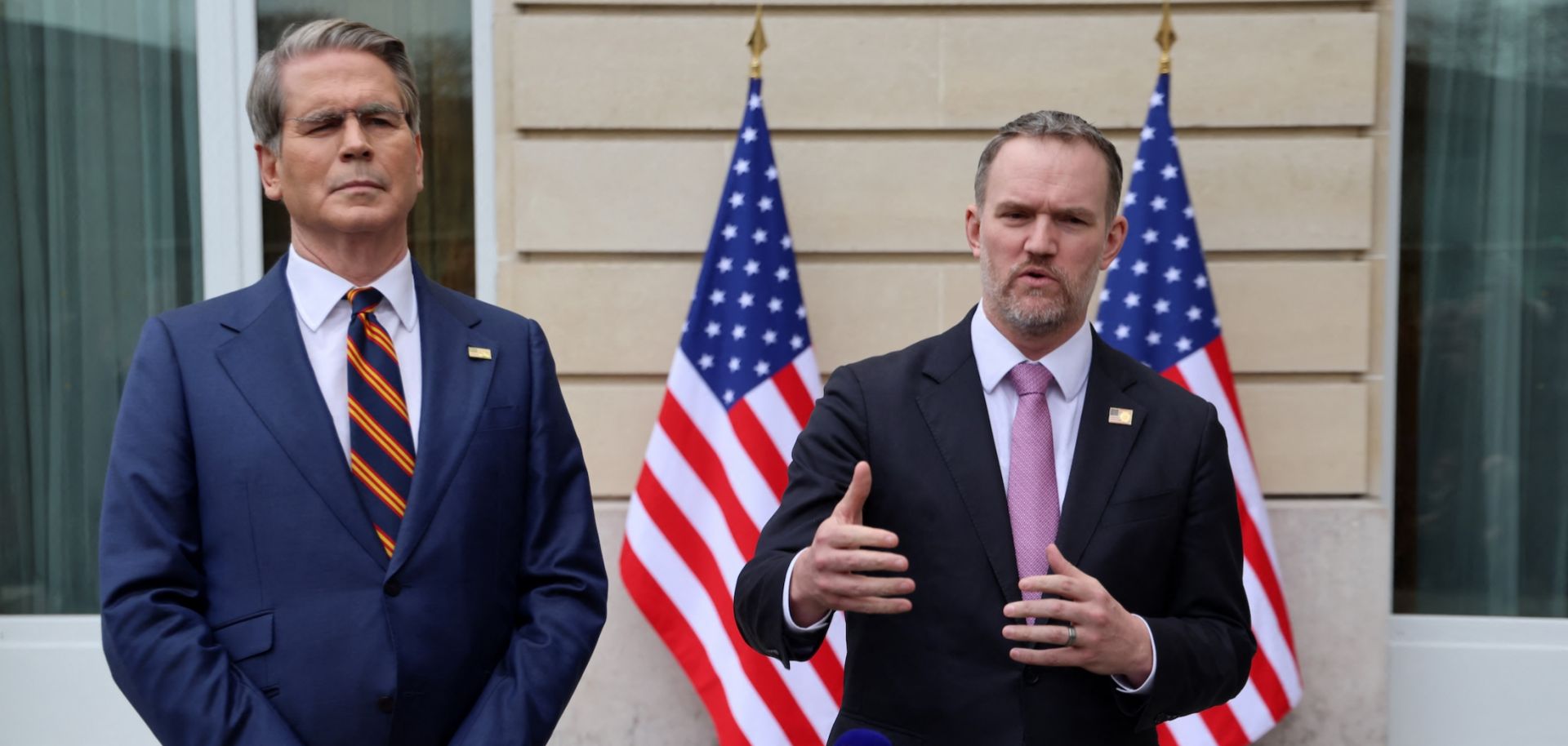
The sweeping nature of the Trump administration's proposed Section 301 tariffs on 60 U.S. trading partners will likely face additional court challenges, but this will not deter the White House from continuing its broader push to more sustainably implement its global tariff regime. On June 2, U.S. Trade Representative (USTR) Jamieson Greer proposed imposing a 10% or 12.5% tariff on 60 economies after concluding an investigation into their trade practices under Section 301 of the 1974 Trade Act. The investigation determined that these countries failed to impose and/or effectively enforce measures prohibiting the import of goods made with forced labor, which was deemed "unreasonable" and restrictive to U.S. commerce per Section 301. Greer's announcement initiated a public comment and review process, with written comments due by July 6 and a public hearing scheduled for July 7. This means the tariffs could be implemented by mid-Q3 2026. In March, the USTR...