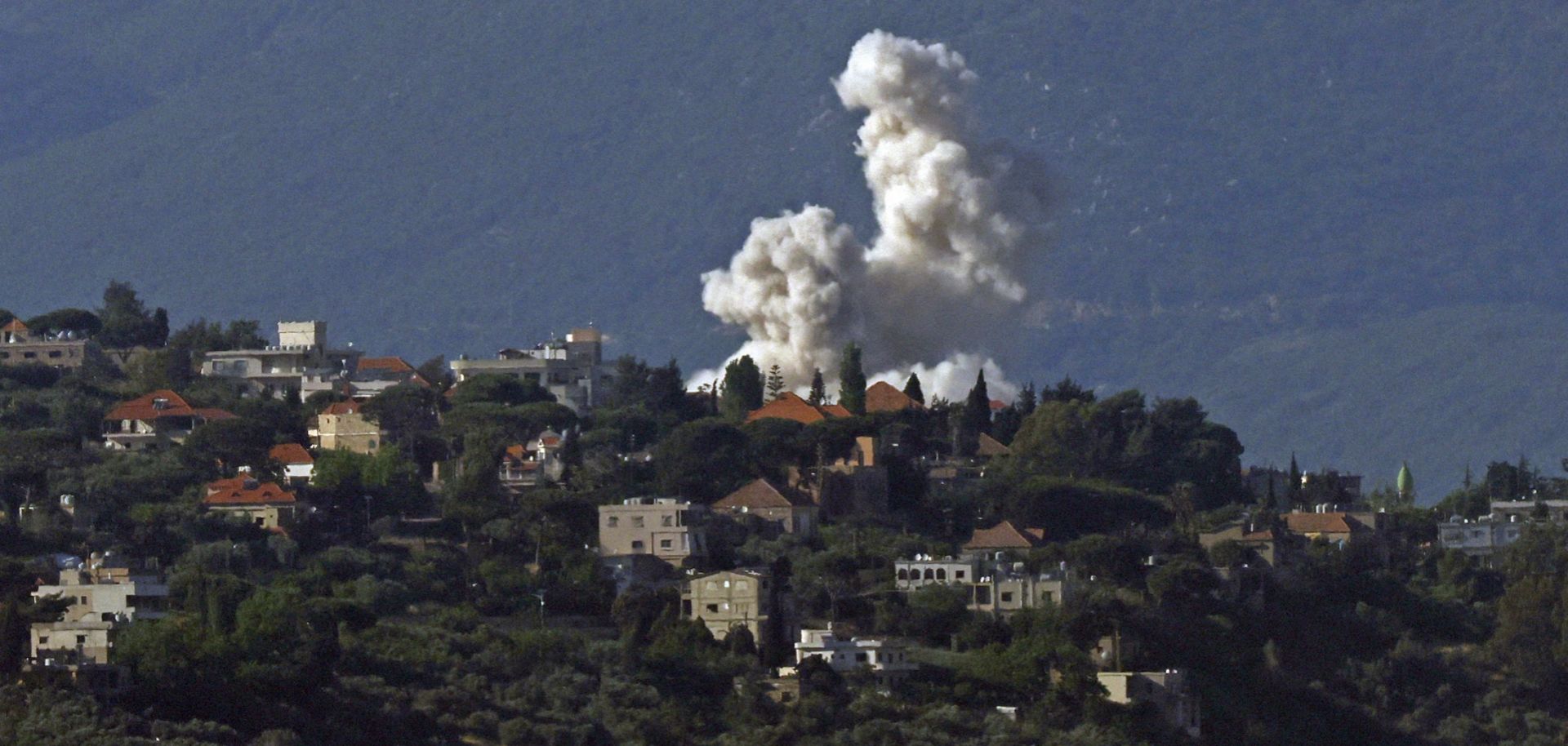
The ostensible ceasefire in Lebanon is unlikely to end fighting between Israel and Hezbollah, though a scenario in which the United States more assertively pressures Israel to achieve its own deal with Iran remains possible. On June 5, longtime Lebanese Parliament speaker and Hezbollah ally Nabih Berri rejected the U.S.-brokered ceasefire framework between Israel and Lebanon announced on June 3, saying he would only accept a full ceasefire that includes an Israeli withdrawal from Lebanese territory before Hezbollah retreats north of the Litani River. Berri's position echoed Hezbollah Secretary-General Naim Qassem, who on June 4 outright rejected the arrangement and also called for a full-fledged ceasefire. Iran's Islamic Revolutionary Guard Corps issued similar statements rejecting partial agreements, emphasizing that a full ceasefire in Lebanon was a condition for preserving its own fragile ceasefire with the United States and warning that without calm in Lebanon, there would be no broader regional...